
Riding Vietnam

Vietnam essentials
- Languages
- Vietnamese; English in tourist areas
- Currency
- Vietnamese dong (VND)1 USD ≈ 25,801 VND on 24 Nov 2026
- Time zone
- UTC+7
- Plugs and power
- 220 V, 50 Hz
Type A Type C Type F - Tipping
- Restaurants
- Not traditional; 5–10% at tourist restaurants, unless a service charge is on the bill
- Hotels
- 20,000–50,000 dong for porters and housekeeping
- Tours and guides
- Around US$5–10 a day for a guide; easy riders on multi-day loops usually get more
Most riders start in Hanoi or Ha Giang and ride the Ha Giang Loop, 300 to 350 km of mountain road along the Chinese border. In the centre, the old road over the Hai Van Pass between Hue and Hoi An is the ride almost everyone does once. For a quieter, longer trip, follow the Ho Chi Minh Road down the west of the country, or ride the northwest loop through Dien Bien Phu and Sapa.
Ride Concierge
Your ride in Vietnam, arranged.
Tell us what you want. We find the bike or tour, write to the operator and come back with a confirmed booking.
- You describe the rideBike, dates, budget. A sentence is enough.
- We ask the operatorAnd bring their quote back to you.
- You approve, we confirmYou pay the operator directly.
Free to ask. Our 5% fee is due only after a confirmed booking.
See how it works- When to ride
- North Mar–Apr and Oct–Dec; centre Mar–Aug; south Dec–Apr
- Traffic
- Drives on the right; motorbikes are banned from expressways
- Licence
- Home motorcycle licence plus a 1968-convention IDP, or a Vietnamese licence
- Helmet
- Compulsory for rider and passenger
- Day rate
- $4–$250
- In the catalog
- 397 bikes and tours, 28 operators
Where to ride
Each letter matches the map.

Illustration Ha Giang Loop
The ride most visitors come north for. From Ha Giang city, National Road 4C climbs over Quan Ba Pass to Yen Minh, then into the bare limestone of the Dong Van Karst Plateau, a UNESCO Global Geopark at 1,400 to 1,600 m. From Dong Van the road runs about 20 km along the cliffs above the Nho Que gorge on the Ma Pi Leng Pass to Meo Vac. You come back south on back roads or QL34. The national roads are paved with guardrails; side roads can be gravel or deep mud after rain, and a loop average of 20 km/h is normal. Police check licences at checkpoints on the loop, and stepped up patrols in April 2026 after a visitor died there.

Illustration Hai Van Pass, Hue to Hoi An
The classic one-way day in central Vietnam. From Hue, National Route 1 runs south past the lagoon and the long beach at Lang Co, then the old road climbs the Hai Van Pass: about 21 km of switchbacks over a spur of the Annamite range, up to 496 m, with the sea below. Riders take the old road over the top; through traffic uses the 6.3 km tunnel underneath, so the pass itself is quiet. Mist off the sea often closes the view. You drop into Da Nang and follow the beach road south to Hoi An. With stops, allow six to eight hours.

Illustration Hanoi to Ho Chi Minh City on the Ho Chi Minh Road
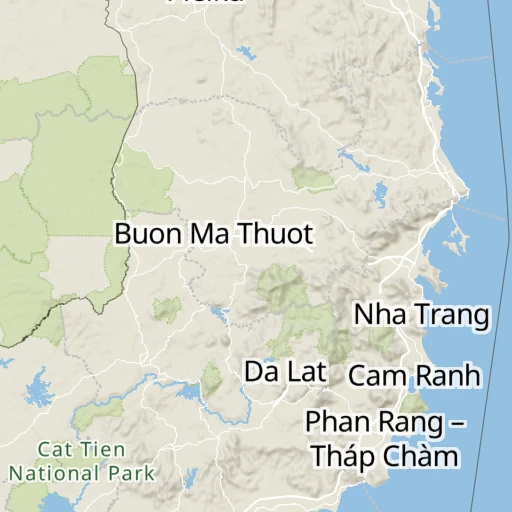
The length of the country without National Route 1 and its buses. The Ho Chi Minh Road leaves Hanoi to the south-west and runs down the inland side of Vietnam, roughly on the line of the wartime trail. South of Phong Nha it splits: the eastern branch has towns, trucks and restaurants; the western branch cuts through steep, empty mountains with few fuel stations. Further south the road passes Khe Sanh and A Luoi. Many riders drop to Hoi An for the coast, then climb back into the Central Highlands through Kon Tum and Buon Ma Thuot to Da Lat before the last day down to Ho Chi Minh City. It works in either direction.
Start from Hanoi or Ho Chi Minh City

Illustration The northwest loop
A long loop through the mountains west of Hanoi. The first day reaches the valley of Mai Chau, about 140 km out. From there the road crosses the hills to Son La and Dien Bien Phu, the valley where the French garrison fell after a 57-day siege in 1954. North through Lai Chau you reach Sapa, under Fansipan, at 3,147 m the highest mountain in Indochina. The way home crosses Khau Pha, a 30 km pass, over 1,200 m up, above the rice terraces of Mu Cang Chai. Winter in the high north is cold and often foggy.
Start from Hanoi

Illustration Da Lat and the southern highlands
Da Lat sits at 1,500 m on the Langbiang plateau, cool and pine-covered, and every road out of it is a descent. A loop takes the mountain road east down to the coast at Nha Trang, about 137 km, follows the coast south to Phan Rang, and climbs back up through the Ngoan Muc Pass (980 m), where on a clear day you can see the sea from the top. Shorter versions run down to Mui Ne. Da Lat is also a base for easy riders: local riders who take you through the highlands on the back of their bike.
Start from Da Lat or Ho Chi Minh City

Illustration Northeast: Meo Vac to Ban Gioc and Ba Be
The way many riders stretch the Ha Giang Loop. From Meo Vac, road 217 runs down the Gam valley to Bao Lac, and from there you cross the hills to Cao Bang. Ban Gioc waterfall, on the Quay Son river, straddles the border with China about 90 km further on; it is fullest in the wet season. Turning back west, Ba Be National Park holds the largest natural freshwater lake in Vietnam, about 8 km long, ringed by limestone and forest. From Ba Be it is about 210 km to Hanoi. Some side roads are rough; allow time.
Regions of Vietnam
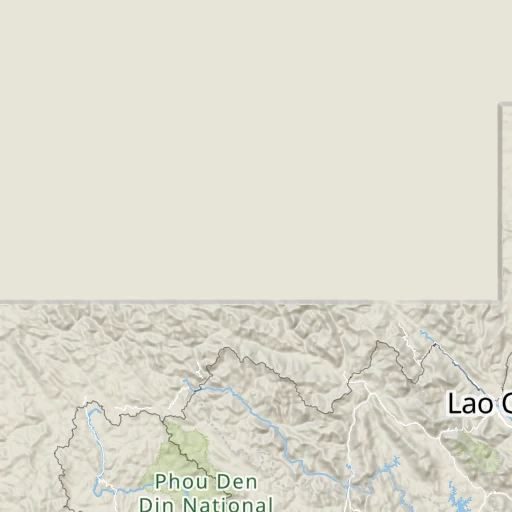
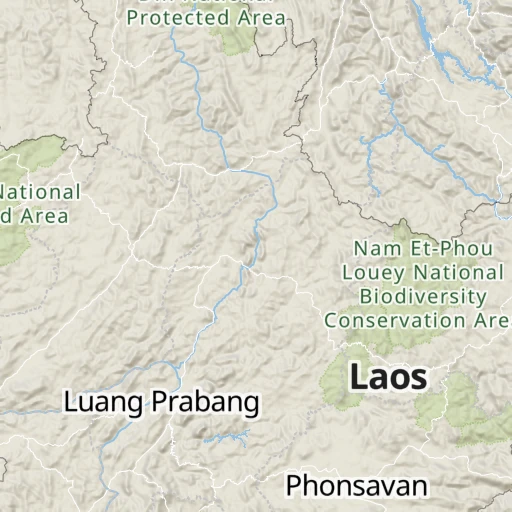
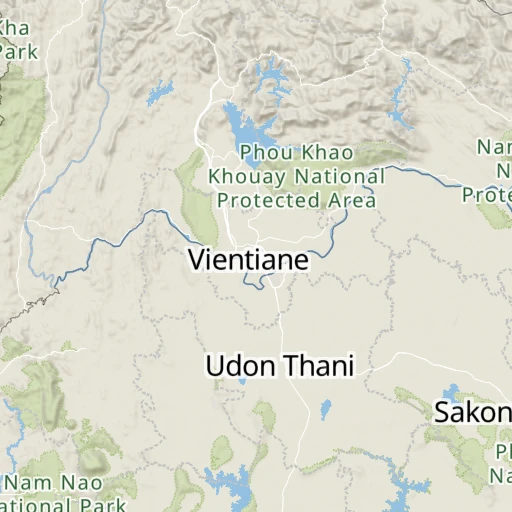
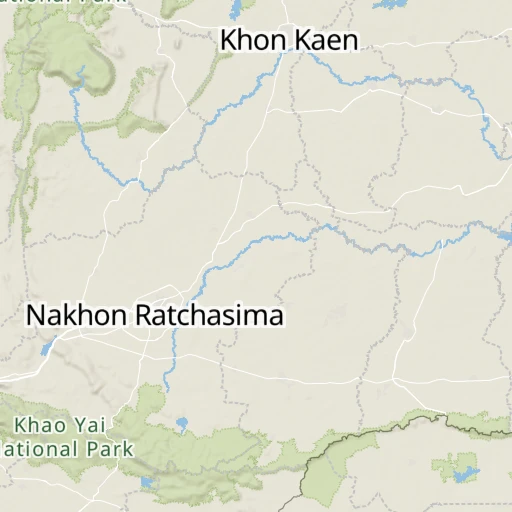
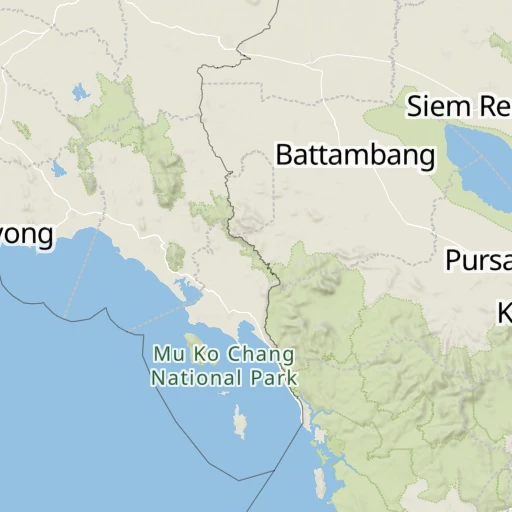
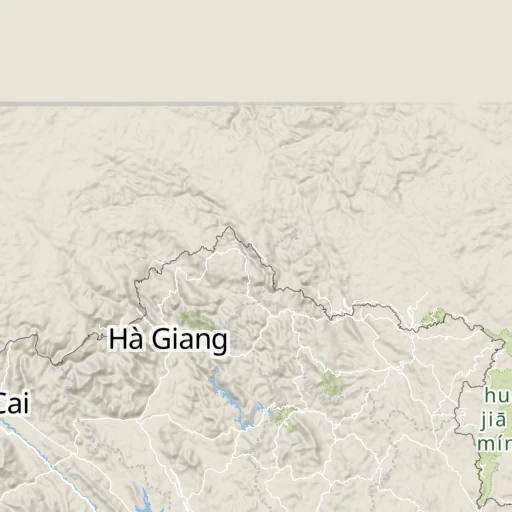
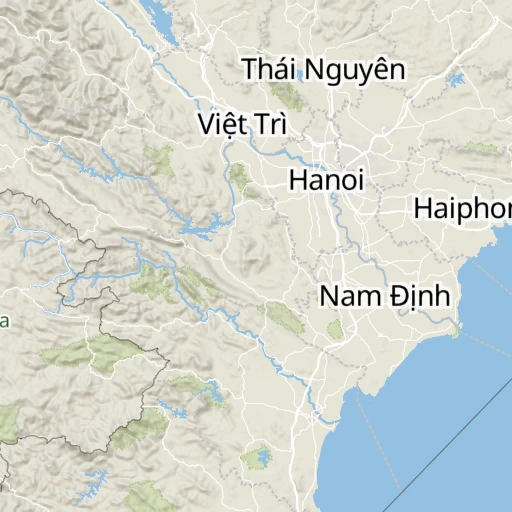
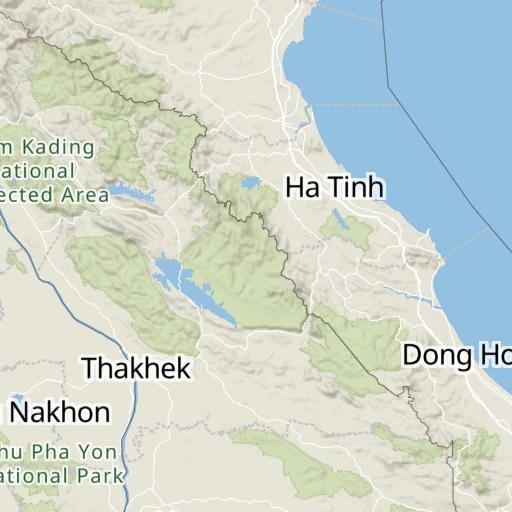
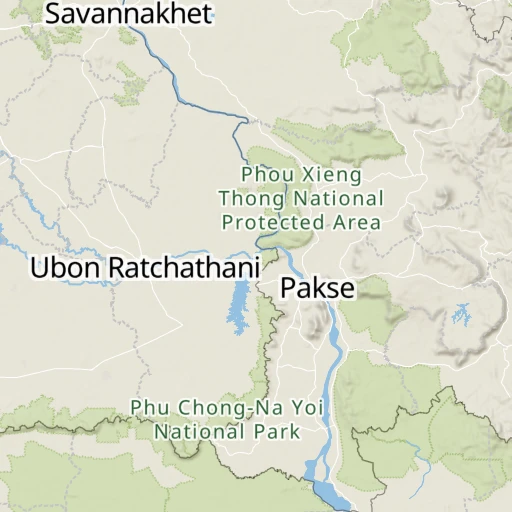
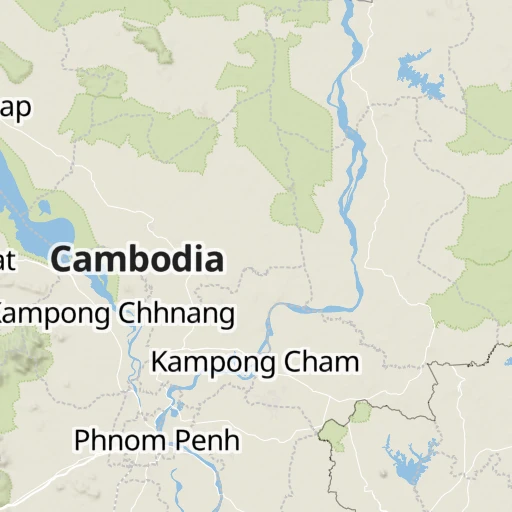
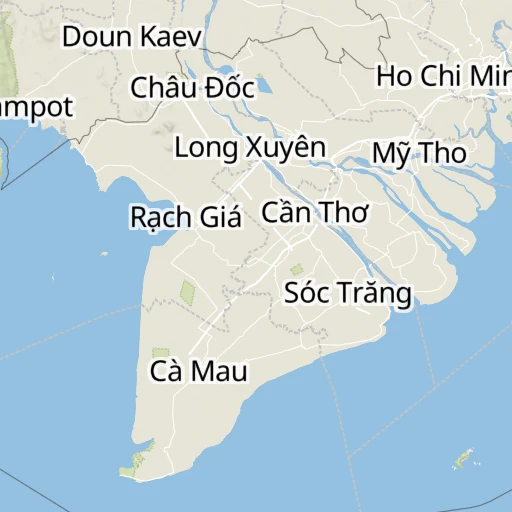


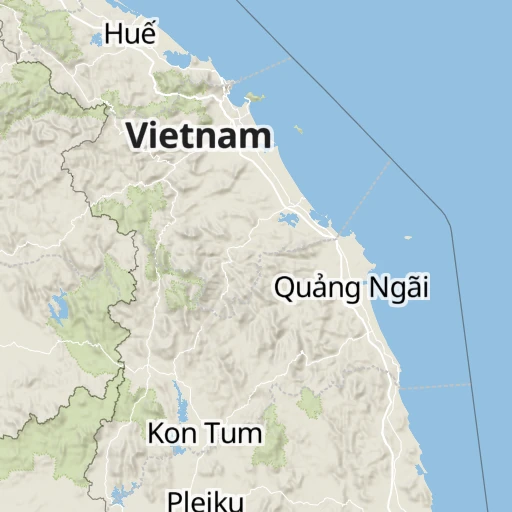

Where riders base themselves

Hanoi
Where most trips begin: the start of one-way rentals south, about 300 km from Ha Giang, with Ninh Binh and Mai Chau as first days out.
62 bikes, 16 tours

Ha Giang
The start and finish of the Ha Giang Loop, about 300 km north of Hanoi, and the way into the northeast.
23 bikes, 10 tours

Da Nang
A beach city with an airport, at the foot of the Hai Van Pass and Son Tra, and the middle stop of most one-way rentals.
48 bikes, 2 tours

Hoi An
The old trading town at the south end of the Hai Van ride, with My Son and the beaches as short rides.
48 bikes, 13 tours

Hue
The old imperial capital at the north end of the Hai Van ride, and the way onto the Ho Chi Minh Road west and north.
27 bikes, 6 tours
Ho Chi Minh City
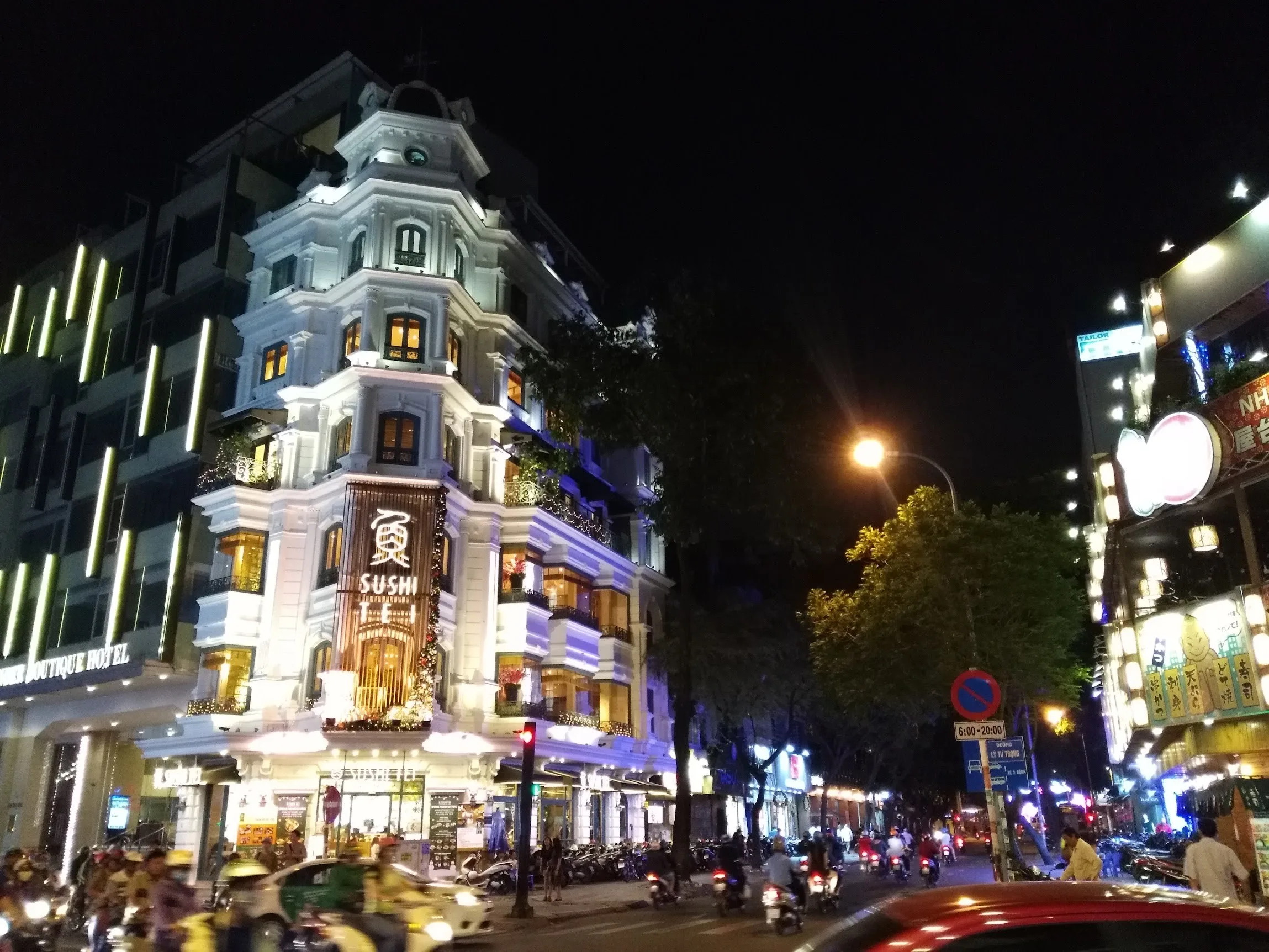
The southern end of the north-south ride, with the Cu Chi tunnels and the Mekong Delta as day rides.
68 bikes, 6 tours

Da Lat
A cool hill town at 1,500 m, the base for the southern highlands and the roads down to Nha Trang and Mui Ne.
10 bikes, 11 tours
Tours in Vietnam
Prices are what each operator publishes, per rider.
| Picture | Tour | Days | Starts | Operator | Price |
|---|---|---|---|---|---|
 | Vietnam North to South Expedition 16 Days | 16 | Hanoi | Flamingo Travel | $2,532 |
 | Adventure big loop 13 days | 13 | Hanoi | Flamingo Travel | $2,072 |
 | North West loop 9 Days | 9 | Hanoi | Flamingo Travel | $1,397 |
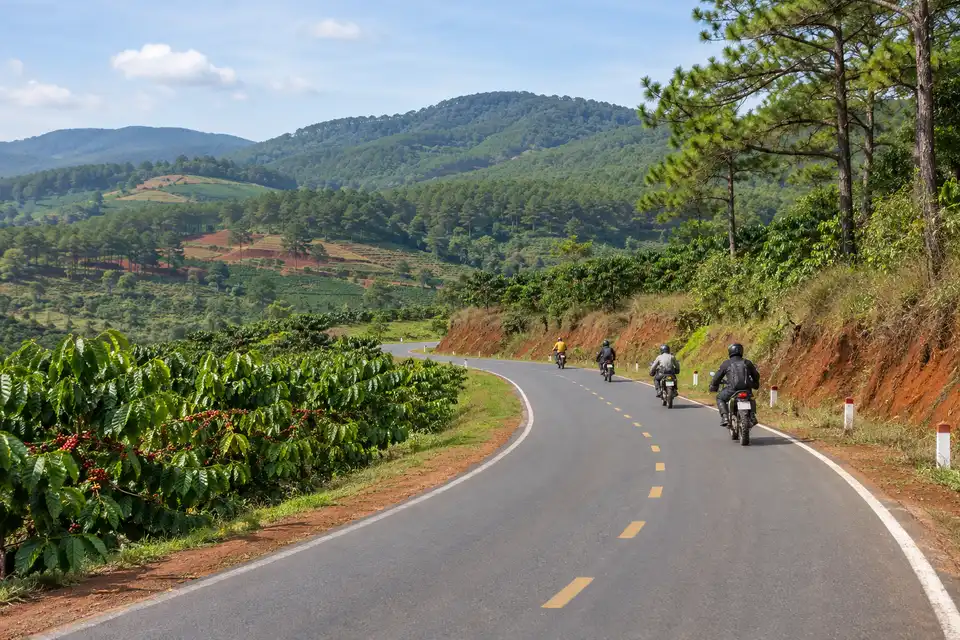 | Vietnam Highlands & Coast Expedition 9 Days | 9 | Hoi An | Flamingo Travel | $1,448 |
 | Dalat - Central Highlands - Hue | 7 | Da Lat | Dalat Easy Rider | $525 |
 | Dalat - Sai Gon - Mekong Delta - Can Tho | 7 | Da Lat | Dalat Easy Rider | $525 |
Companies
Every operator here runs its own bikes or its own tours. We list what each operator publishes; we don’t rank them.
- Cuong's Motorbike AdventureHanoi. 16 tours.
- Da Nang BikeDa Nang. 4 bikes from $8 a day.
- Dalat Easy RiderDa Lat. 11 tours.
- Easy Rider ToursDa Lat. 3 tours.
- Easy Riders VietnamDa Lat. 7 tours.
- Flamingo TravelHanoi. 36 bikes from $7 a day. 17 tours.
- Ha Giang Epic TourHa Giang. 2 tours.
- HA GIANG HOSTELHa Giang. 2 tours.
- Ha Giang Loop GuideHa Giang. 4 tours.
- HAMA – Hoi An Motorbike AdventuresHoi An. 7 tours.
- Hoi An Bike RentalHoi An. 11 bikes.
- Hoi An MotorbikeHoi An. 4 tours.
- Hue Motorbike RentalHue. 10 bikes from $4 a day.
- Hue Motorbike TourHue. 1 tour.
- Jasmine Ha GiangHa Giang. 2 tours.
- LE FAMILY RIDERSHue. 6 tours.
- MotogoHanoi. 12 bikes from $4 a day. 1 tour.
- MotorvinaHanoi. 42 bikes.
- Offroad Vietnam AdventuresHanoi. 7 bikes from $40 a day.
- Rentabike VietnamHanoi. 27 bikes from $10 a day. 7 tours.
- Rental Motorbike Da NangDa Nang. 9 bikes from $8 a day.
- Saigon MotorcyclesHo Chi Minh City. 13 bikes from $7 a day.
- Style MotorbikesHanoi. 44 bikes from $10 a day. 5 tours.
- The Extra MileHo Chi Minh City. 18 bikes.
- Thuê Xe Máy Sài Gòn 13535Ho Chi Minh City. 3 bikes from $6 a day.
- Tigit MotorbikesHo Chi Minh City. 8 tours.
- Tuan Motorbike Rental & Big Bike ToursDa Nang. 50 bikes from $15 a day.
- Vespa AdventuresHo Chi Minh City. 8 tours.
























Licence and insurance

Vietnam's road traffic law, in force since 1 January 2025, accepts an International Driving Permit only if it was issued under the 1968 Vienna Convention, and only together with your home licence for the same kind of vehicle. Vietnam joined that convention in 2014. Check which kind your country issues: the Canadian government, for example, says Vietnam does not recognise licences or permits issued in Canada. The UK government tells British riders to carry the 1968 IDP and their UK licence. Otherwise you need a Vietnamese licence, unless your country has a licence agreement with Vietnam; ask its embassy.
A licence is needed for anything of 50cc or more, which is nearly every rental bike. Shops often rent without asking; police checkpoints, including those on the Ha Giang Loop, do ask. After a visitor died on the loop in April 2026, police stepped up patrols, and around 50 rental and travel businesses in Ha Giang signed commitments not to rent to unqualified riders.
It is illegal to ride without third-party insurance. Check that your travel insurance covers motorcycling and that you meet its licence conditions, because insurers can refuse a claim when you were riding unlicensed.
Helmets are compulsory for rider and passenger. The UK and Canadian governments both describe road safety as poor and motorcycle accidents as common. Riding after any alcohol is an offence.
Read the full guide: Riding legally in Vietnam: licences, permits and insurance
When to go

Vietnam is long enough to have three climates. In the north, spring (March to April) and autumn (October to December) are the riding months. September is a judgement call: the UK, Canadian and German governments put it inside the north's rainy season, while travel guides count September and October, with March and April, as the dry months on the Ha Giang Loop. Winter is chilly in Hanoi and cold in the mountains, where Ha Giang can drop to freezing and Sapa is often wet and foggy from November to February. Summer is hot and wet.
The UK government gives the rainy season as June to September in the north and south, and October to December in central Vietnam, with seasonal flooding in October and November. The north-east monsoon makes the central coast windy and wet from about September to February; summers there are hot and dry. Typhoons usually occur from June to December, and storms can close roads with floods and landslides.
The south is cool and dry from December to February, hot and dry in March and April, and rainy from May to November, usually as afternoon downpours.
Around Tet, the lunar new year in late January or February, city traffic gets even heavier than usual.
- Riding months
- Rideable
- Possible, but poor
- Wet season
- Average temperature, °C
- Rainfall, mm
Far north mountains measured at Ha Giang
North measured at Hanoi
Centre measured at Da Nang
South measured at Ho Chi Minh City
Read the full guide: When to ride in Vietnam: seasons, typhoons and Tet, region by region
Roads and cities

The 2024 road traffic law (Article 25) bars motorbikes and mopeds from Vietnam's expressways (cao tốc), and police fine riders who use them, foreign riders included. Plan on national roads (QL) and provincial roads; the routes in this guide use them, and journey times are longer than a car's sat-nav suggests.
City traffic in Hanoi and Ho Chi Minh City is dense and unpredictable, and bag-snatching from motorbikes is common. Park where there is an attendant, keep the bike inside at night, and do not hang a bag from your shoulder or the basket.
Hanoi is bringing in a low-emission zone inside Ring Road 1, approved by the city's People's Council in June 2026 (Resolution 34/NQ-HĐND). Since 1 July 2026 all road vehicles, motorbikes included, are banned from the first zone, around Hoan Kiem Lake and the Old Quarter, from 7 pm to midnight on Friday, Saturday and Sunday. From 2027 the zone covers Hoan Kiem and Cua Nam wards, and petrol motorbikes working for ride-hailing apps are barred from it. From 1 January 2028 it covers all nine wards inside Ring Road 1, where motorbikes and mopeds below emission standard Level 3 may not ride. Check the current rules before riding into the old centre.
Read the full guide: Riding Vietnam's roads: expressways, speed limits, fuel and city traffic
Borders and restricted areas

Do not assume a rental bike can leave Vietnam; ask the shop before you plan a route into Laos or Cambodia. Bringing a foreign-registered motorbike into Vietnam needs a permit applied for through a licensed Vietnamese tour operator, and foreign-plated vehicles must ride in a convoy behind a Vietnamese guide vehicle on approved routes.
If you arrive overland on an e-visa, you must use a crossing on the official list and the one you named on the application. The 2023 list has 16 land crossings, among them Lao Bao, Cau Treo and Tay Trang from Laos and Moc Bai, Ha Tien and Tinh Bien from Cambodia; a government resolution of December 2025 added 11 more. Being on the list says nothing about taking a vehicle through.
Near the borders, foreigners officially need permission from the provincial police to visit some communes. On the Ha Giang Loop this is a regional permit, checked near the Chinese border. Canada also notes restricted areas near military sites in parts of the Central Highlands.
Unexploded ordnance remains a risk in Quang Tri, along the Laos border and elsewhere in the north and centre: stay on paved roads and out of fields and ditches. Check your own government's advice before you go.
More guides for Vietnam
- Renting a motorbike in Vietnam: deposits, papers, one-way hire and what travel costsWhat Vietnamese rental shops ask for, deposits and passports, the bike's papers and insurance, one-way hire, common problems, and fuel, room and food costs.
Questions riders ask
- Can I ride in Vietnam on an International Driving Permit?
- Yes, if it is a 1968-convention permit and you carry your home motorcycle licence with it. Vietnamese law accepts only permits issued by countries in the 1968 Vienna Convention; the Canadian government, for example, says permits issued in Canada are not recognised. If yours does not qualify, you need a Vietnamese licence to ride legally.
- Should I leave my passport as a rental deposit?
- The UK government says not to: a shop holding your passport can keep it against any damage it claims. Many shops in Vietnam still ask for one. Others take a cash or card deposit, or a photo of the passport, so ask about that before you book.
- How many days do I need for the Ha Giang Loop?
- Three days is possible for confident riders; four is the usual organised itinerary, with nights in Yen Minh, Dong Van and a village near Meo Vac. Allow five if you want time for Lung Cu, the Nho Que valley or bad weather. Average speeds are low, around 20 km/h.
- Can I ride a motorbike on the expressway?
- No. The 2024 road traffic law bars motorbikes from Vietnam's expressways, and in February 2026 police in Phu Tho fined a group of 11 foreign riders on large bikes for riding one. Use the national roads, and check that your navigation app is not routing you onto an expressway.
- When is the rainy season in central Vietnam?
- Later than in the rest of the country: roughly October to December, with seasonal flooding in October and November. The Hai Van Pass is often in cloud in those months, and the central coast is windy and wet from about September to February.