Pleven Province
A province of the central Danubian Plain on the Romanian border: the 1877 siege sites in Pleven, the Danube fortress town of Nikopol and the Persina wetlands on the river.
- Main town
- Pleven
- Area
- 4,653.32 km²
- Municipalities
- 11
- Border
- Romania, along the Danube
- Time zone
- UTC+2, UTC+3 in summer
What Pleven is known for
- Pleven and the siege of Plevna
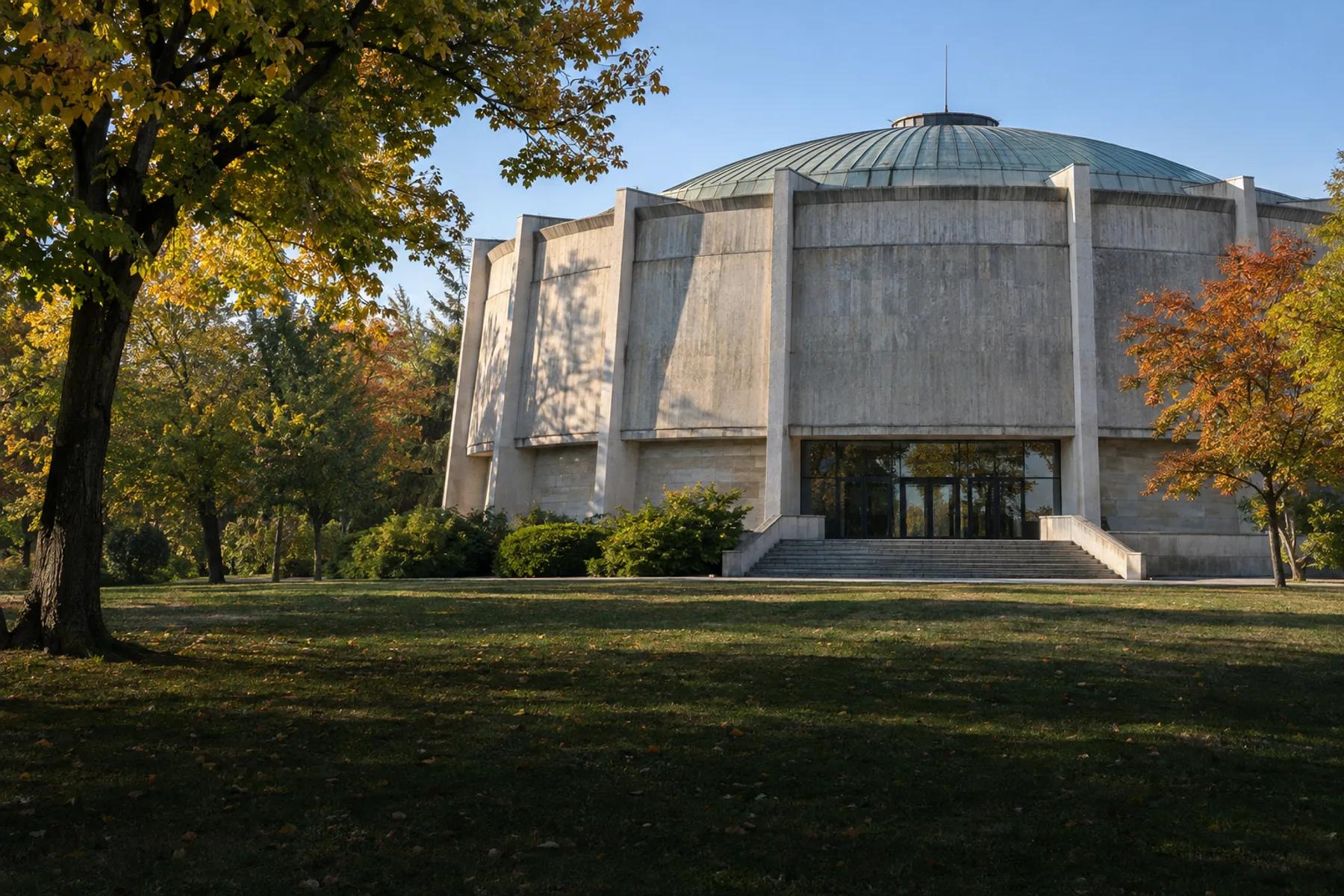
- The siege of Plevna was a five-month campaign of the 1877 to 1878 Russo-Turkish War, ending when Osman Pasha surrendered on 28 November 1877. Skobelev Park, on the battle site, holds the Pleven Panorama, unveiled on 10 December 1977, with a main canvas of 115 by 15 m. Kaylaka Park, about 10 km², has the ruins of the Roman fortress Storgosia.
- Nikopol
- A Danube town at the foot of chalk cliffs, with medieval fortress ruins, the 13th or 14th-century Church of Saints Peter and Paul, a rock-hewn Church of Saint Stephen and the Vasil Levski museum house. The crusade of Sigismund of Hungary was defeated here in 1396.
- Persina Nature Park
- Danube wetland of 21,762 ha, established on 4 December 2000, with the visitor centre in Belene. Persin Island is 15 km long and 6 km wide, and the Belene Islands Complex is a Ramsar site.
- Belene
- A Danube town with the remains of Dimum, a 1st-century AD Roman fort and customs station, and more than 20 Thracian mounds. It holds a market and cultural events each year in early September.
Things to do
Sorted by how long each takes.
An hour or less
- Pleven PanoramaA panorama of the third battle of Plevna, 31 August to 11 September 1877, with a main canvas of 115 by 15 m, in a four-room building in Skobelev Park.In Pleven town
- Skobelev ParkThe park on the original battle site, with the Panorama and an ossuary. The St George the Conqueror Chapel Mausoleum honours the Russian and Romanian soldiers who died in the siege.In Pleven town
Half a day
- Kaylaka ParkA protected park of about 10 km² with reservoirs, the Tuchenitsa river, a zoo, a summer theatre and the ruins of the Roman fortress Storgosia.In Pleven town
- Dimum Roman fortThe remains of a 1st-century AD fortification and customs station in the Roman province of Moesia, at Belene.In Belene town
A full day
- NikopolFortress ruins, the church of Saints Peter and Paul, the rock-hewn Church of Saint Stephen and the Levski museum house, on the Danube at 179 m. Part of Persina Nature Park lies nearby.In Nikopol municipality
- Belene and Persina Nature ParkThe park visitor centre is in Belene. Persin Island, in the Danube, is 15 km long and 6 km wide, and the park protects flooded forests and inland marshes.In Belene municipality
Weather and when to go
- Average temperature, °C
- Rainfall, mm
Pleven long-term average near Pleven
Climate: TerraClimate 1991–2020 monthly climatology (Abatzoglou et al. 2018, Scientific Data 5:170191), public domain (CC0).
The Danubian Plain has a strongly continental climate: cold winters under Arctic air from the east and hot summers. Lowland snow cover lasts 20 to 30 days. Belene holds a market and cultural events in early September. Ask locally about access to the Persina wetlands after heavy rain or snowmelt.
Riding in Pleven
The province is flat to rolling plain, crossed from south to north by the Iskar, Vit and Osam rivers with limestone plateaus between them. Nikopol and Belene lie on the Danube. Ask locally about the state of minor roads toward the river and the wetland park.